How Electronic Hit Detection Actually Works for Nerf War
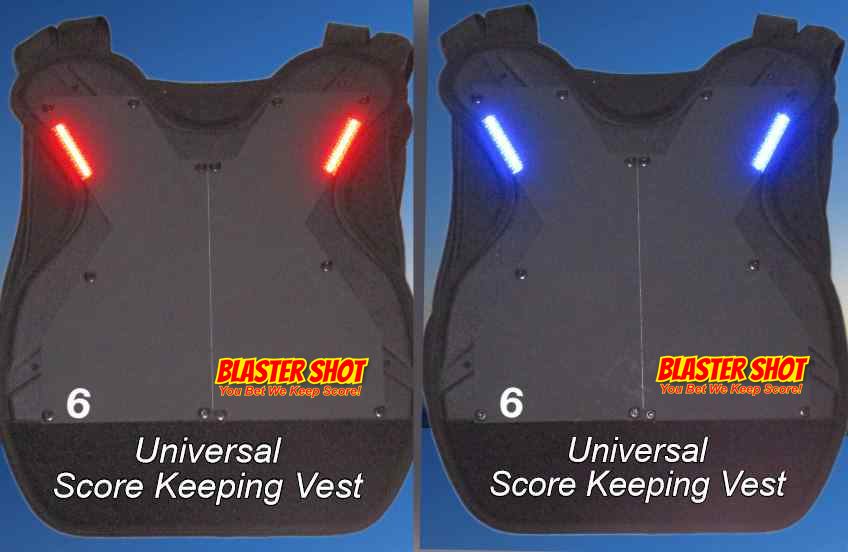
In our last post, we talked about why manual scoring is the fastest way to turn a fun Nerf War into an argument. This time, let's get into the part people actually want to know: how does a vest know it's been hit?
It's Not Just "Lights That Flash"
A lot of people assume Score Keeping vests work like a simple toy — something lights up whenever it feels like it. Real electronic hit detection is more specific than that. A Score Keeping vest needs to:
Sense contact accurately — registering a real Nerf dart or foam ball hit, not just any bump or shake.
Respond instantly — the LED flash and the score update need to happen in real time, not seconds later.
Send the data somewhere useful — to a phone, tablet, or screen, so the score isn't just on the vest itself.
Why Sensor Coverage Matters
One of the most overlooked details in Score Keeping vests is how much of the vest is actually a sensor. Some systems only register hits on a small target zone — meaning a player can get hit dead-center on the chest and the vest never knows it. Blaster Shot's approach uses edge-to-edge contact sensing, so the question isn't "did you hit the one spot that counts," it's simply "did you hit the vest."
What This Looks Like in Practice
A Blaster Shot Nerf Score Keeping Vest counts and displays every hit from Nerf darts or Nerf balls, tracks game time, and shows player and team data on a connected screen — all in real time. The vest is also fully programmable, so you can set vest color, game length, and how long a player stays "out" before they're back in.
For anyone running a more structured Nerf War — leagues, repeat events, or a commercial setup — there's also a 2-way option where the vest and the blaster communicate directly, so the system knows exactly which player landed which hit, not just that a hit happened.
You can see the full breakdown of available setups at Black Eye Tek's Nerf Score Keeping Vests page as well.
Next up: what happens when this same hit-detection technology gets applied somewhere you wouldn't expect.


Comments
Post a Comment